
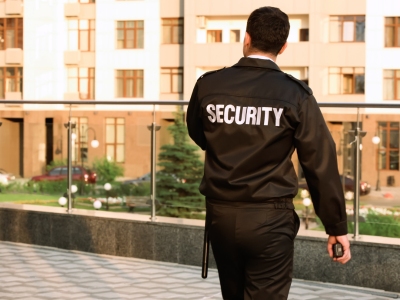
Residential communities are becoming more complex as apartment societies grow in size and residents expect greater convenience, access, and connectivity. Modern societies may include hundreds of apartments, multiple entrances, parking facilities, shared amenities, delivery areas, service staff, and visitors arriving throughout the day.
As a result, traditional approaches to residential security may not always address every situation that property management teams face today. Instead, many apartment communities are looking at how security procedures can become more organized, responsive, and suitable for their current environment.
Professional residential security services in Nashik can support apartment societies by helping manage access, monitor common areas, coordinate visitor movement, and respond to unusual situations.
Residential Communities Have Become More Active
An apartment society is no longer active only during morning and evening hours. Residents may work different shifts, children may attend activities at different times, delivery personnel may arrive throughout the day, and service providers may enter for repairs or maintenance.
Therefore, security personnel need to understand the changing rhythm of the community.
A typical day may involve:
- Residents entering and leaving for work
- School transport and visitors
- Food and e-commerce deliveries
- Domestic workers
- Maintenance personnel
- Cab and transport services
- Guests attending social events
With so much movement, security needs to remain consistent without making everyday residential life unnecessarily difficult.
Visitor Management Is Becoming More Important
Visitors are a normal part of apartment living. However, a large residential society can receive many visitors in a single day.
Security personnel can help create a consistent process for confirming visitors and directing them to the appropriate apartment or area.
This can involve checking the purpose of the visit, contacting the resident when required, maintaining visitor information, and monitoring entry and exit.
At the same time, the process needs to remain practical. Excessively complicated procedures can create delays, particularly during busy hours.
Therefore, residential security is increasingly focused on balancing controlled access with smooth movement.
Managing Delivery Personnel
The growth of online shopping and home delivery has changed the activity around apartment entrances. Food delivery workers, courier personnel, grocery services, and other delivery teams may arrive throughout the day.
Security personnel can help manage this activity by directing delivery workers according to the society’s established rules.
Depending on the property, guards may:
- Verify delivery details
- Direct delivery personnel to designated areas
- Monitor entry and exit
- Prevent unnecessary movement into restricted areas
- Coordinate with residents when required
This helps reduce congestion at the main entrance while maintaining awareness of who is entering the community.
Domestic Workers and Regular Service Providers
Apartment societies also receive regular domestic workers, cleaners, drivers, electricians, plumbers, and other service personnel.
Unlike occasional visitors, these individuals may enter the property repeatedly. Therefore, residential security procedures need to account for regular access without treating every visit as a completely new event.
Maintaining appropriate records and following society-approved access procedures can make regular entry more organized.
Furthermore, security personnel can communicate relevant changes to residents or management when required.
Parking Has Become a Security Consideration
Large apartment societies can have significant vehicle movement. Residents may own cars, motorcycles, and other vehicles, while visitors and service providers also require temporary parking.
As a result, security personnel may need to monitor parking areas and vehicle entrances in addition to the main gate.
Regular monitoring can help identify:
- Vehicles entering restricted areas
- Unauthorized parking
- Unusual activity around parked vehicles
- Blocked emergency access
- Vehicles remaining in inappropriate locations
This does not mean security personnel replace the society’s parking management system. Instead, they can support the enforcement of established access and movement procedures.
Monitoring Common Facilities
Modern apartment societies often include gyms, swimming pools, gardens, clubhouses, children’s play areas, walking paths, and community halls.
These shared facilities can become busy at different times of the day. Consequently, security teams may need to monitor areas beyond the main entrance.
Patrols can help maintain visibility around less frequently monitored sections and identify situations that require attention.
For example, guards may notice unauthorized access, property damage, unattended items, or unusual activity around shared facilities.
Security During Late Hours
Residential communities remain active after dark. Residents may return from work late, visitors may arrive in the evening, and delivery or maintenance activity may continue.
During quieter night-time periods, security personnel can focus more closely on entrances, perimeter areas, parking sections, and other less active locations.
Night monitoring may include:
- Checking entry and exit points
- Observing parking areas
- Monitoring the property perimeter
- Responding to unusual activity
- Supporting residents who require assistance
A consistent night presence can help maintain continuity between daytime and overnight security.
Managing Security During Community Events
Apartment societies frequently organize festivals, meetings, celebrations, children’s activities, and other community events. These occasions can temporarily increase the number of people inside the property.
Security arrangements may therefore need to change during event periods.
Security personnel can help monitor entrances, manage visitor movement, protect restricted areas, and maintain awareness of crowd activity.
Additionally, temporary access arrangements can be communicated to guards before the event begins. Clear event safety arrangements help organizers prepare for crowd movement, venue access, and emergencies, ensuring security personnel understand which visitors or service providers are expected.
Technology Is Supporting Traditional Security
Many apartment societies now use CCTV systems, intercoms, access cards, digital visitor systems, alarms, and other technologies.
However, these systems do not eliminate the need for on-site security personnel.
Technology can provide information, while guards can respond to situations physically. For example, a CCTV system may show unusual movement, but a security guard can inspect the location and report what is happening.
Therefore, combining technology with trained personnel can create a more coordinated residential security process.
Security Procedures Need Better Communication
Security can become difficult when residents, guards, property managers, and maintenance teams do not share information effectively.
For example, a guard may not know that a contractor has been approved to enter a particular apartment. Similarly, residents may not be aware of temporary changes to entrance procedures.
Clear communication can help reduce these situations.
Security teams can receive information about:
- Expected visitors
- Maintenance work
- Community events
- Temporary access changes
- Emergency situations
- Restricted areas
Consequently, better communication can support smoother day-to-day security management.
Responding to Unexpected Situations
Residential security also involves responding when something does not follow the normal pattern.
An unfamiliar vehicle, an unattended item, an argument in a common area, an access-control issue, or a medical emergency may require attention. Similar risks can arise at public gatherings, where event safety planning helps prepare for crowd-related incidents and emergencies.
Security personnel can follow the society’s established procedures, inform the relevant people, and coordinate with emergency services when necessary.
Importantly, the role of security is not simply to react after an incident. Regular observation can help identify unusual situations earlier.
Reviewing Security as the Society Changes
An apartment society that worked well with a particular security arrangement several years ago may have different requirements after its population grows.
New towers may be added, parking areas may expand, additional amenities may open, and visitor numbers may increase.
Therefore, residential security procedures should be reviewed periodically. Regular reviews help apartment communities maintain residential safety as residents’ needs change.
Management may need to consider:
- Changes in the number of residents
- New entrances or facilities
- Increased visitor movement
- Changes in operating hours
- Additional parking requirements
- New technology or access systems
This allows the security arrangement to remain relevant instead of relying entirely on older procedures.
Conclusion
Apartment societies are rethinking residential security because modern communities involve more movement, more visitors, more deliveries, multiple facilities, and increasingly varied schedules. As a result, security needs to extend beyond simply placing a guard at the main gate.
Professional residential security services in Nashik can help apartment societies manage visitor access, delivery movement, parking areas, common facilities, night-time monitoring, community events, and unexpected situations.
Om Sai Safeguard Services provides professional security solutions designed around the requirements of residential communities and other properties. With trained security personnel and structured procedures, apartment societies can maintain a more organized approach to everyday security while adapting to the changing needs of their residents.